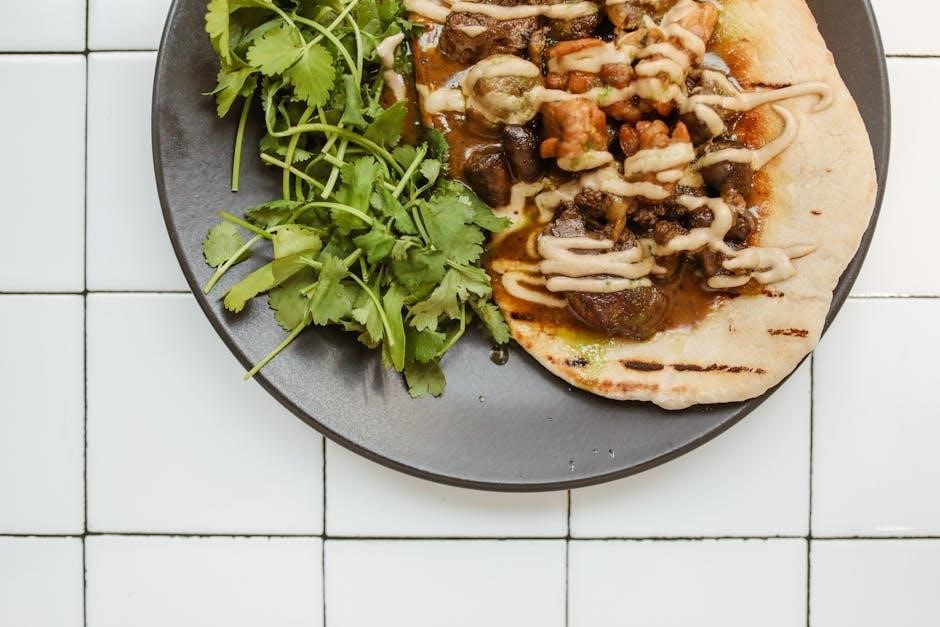
Luna Grill Nutrition: A Comprehensive Guide (Updated March 26, 2026)
Accessing Luna Grill’s detailed nutritional information is straightforward; a comprehensive PDF document is readily available online, offering a complete breakdown of each menu item’s values.
Luna Grill, celebrated for its authentic Mediterranean flavors and vibrant dining experience, provides customers with valuable nutritional resources to support informed choices. Understanding the nutritional content of your meal is crucial for maintaining a balanced diet, especially when dining out frequently. Fortunately, Luna Grill prioritizes transparency, making detailed nutritional information easily accessible.
A comprehensive nutrition PDF document, regularly updated (most recently on March 26, 2026), serves as a central hub for all nutritional data. This document meticulously outlines the calorie count, macronutrient composition (carbohydrates, fats, and proteins), and other essential nutritional details for each item on the Luna Grill menu. Whether you’re tracking your carbohydrate intake, monitoring your fat consumption, or simply curious about the nutritional value of your favorite dish, the PDF provides the answers you need.
Beyond the PDF, Luna Grill also encourages the use of online nutrition calculators, empowering customers to customize their meal analysis based on portion sizes and modifications. This commitment to nutritional transparency allows diners to enjoy Luna Grill’s delicious offerings with confidence and peace of mind.
Understanding Luna Grill’s Menu Philosophy
Luna Grill’s culinary approach centers around fresh, wholesome ingredients inspired by the vibrant flavors of the Mediterranean. This philosophy extends beyond taste, encompassing a commitment to providing nutritional transparency for its customers. Recognizing the growing importance of dietary awareness, Luna Grill proactively offers detailed nutritional information, empowering diners to make informed choices aligned with their health goals.
The readily available nutrition PDF isn’t merely a compliance measure; it’s a reflection of Luna Grill’s dedication to wellness. The menu is designed to offer balanced options, and the PDF allows customers to understand how each dish fits into their individual dietary needs. This commitment fosters trust and encourages mindful eating.
By providing a comprehensive resource like the nutrition PDF, Luna Grill demonstrates a genuine concern for its customers’ well-being, reinforcing its position as a restaurant that values both flavor and health. It’s a key component of their overall dining experience.
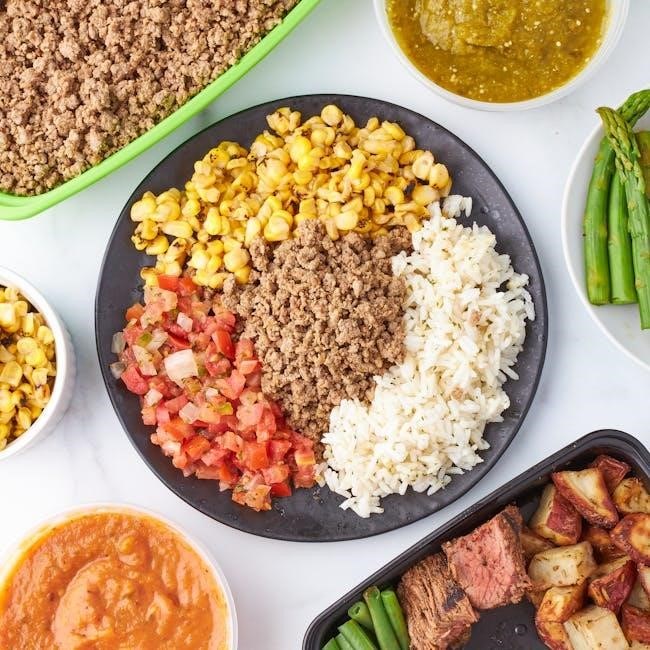
Detailed Nutritional Breakdown of Signature Plates
Signature plates’ nutritional details, conveniently found in Luna Grill’s PDF, reveal precise calorie counts, macronutrient compositions, and ingredient specifics for informed dining.
Chicken Kabob with Rice and Salad: Carb Content
Understanding the carbohydrate content within Luna Grill’s popular Chicken Kabob with Rice and Salad is crucial for those monitoring their intake. According to readily available nutritional information, often detailed within the official Luna Grill nutrition PDF, a single serving contains approximately 63 grams of total carbohydrates.
However, it’s important to differentiate between total and net carbs. The PDF clarifies that this dish boasts 60 grams of net carbs, calculated by subtracting fiber content. This makes it a moderate-carb option within the Luna Grill menu. The PDF further breaks down the carb sources, stemming from the rice, pita bread (if included), and the salad’s dressings and potential additions.
For individuals following low-carb diets, mindful portion control or substitutions – such as opting for brown rice or requesting dressing on the side – can help manage carbohydrate consumption. The Luna Grill PDF serves as an invaluable resource for making informed choices aligned with dietary needs.
Chicken Kabob with Rice and Salad: Complete Macronutrient Profile
Delving into the complete macronutrient profile of Luna Grill’s Chicken Kabob with Rice and Salad, as detailed in their comprehensive nutrition PDF, reveals a balanced yet calorie-dense meal. A standard serving clocks in at approximately 586 calories, providing a substantial energy boost. The PDF meticulously outlines the distribution of these calories: 20 grams of fat, contributing to satiety and flavor, alongside 39 grams of protein, essential for muscle maintenance and repair.
As previously noted, the carbohydrate content is significant, totaling 63 grams, with 60 grams being net carbs. This breakdown allows for informed dietary planning. The PDF also indicates the presence of fiber, though the exact amount isn’t explicitly stated in the provided snippet.
Understanding this macronutrient composition, readily accessible through the Luna Grill PDF, empowers customers to make choices that align with their individual health and fitness goals, whether prioritizing protein intake or managing carbohydrate levels.
Chicken Kabob & Gyro Plate: Calorie and Macronutrient Analysis
Examining the Chicken Kabob & Gyro Plate at Luna Grill, as detailed within their accessible nutrition PDF, reveals a hearty and substantial meal option. A single serving boasts a significant 740 calories, making it a filling choice for those with higher energy demands. The PDF’s breakdown highlights a macronutrient composition geared towards protein and fat, crucial for sustained energy.
Specifically, the plate contains 10 grams of carbohydrates, 56 grams of fat, and a robust 49 grams of protein. This profile suggests a meal that promotes satiety and supports muscle recovery. The PDF provides this detailed information, allowing diners to understand the nutritional impact of their selection.
For individuals tracking their intake, the Luna Grill PDF serves as an invaluable resource, enabling informed decisions based on precise calorie and macronutrient values. It’s a testament to their commitment to transparency.
Beef & Lamb Gyro Plate: Detailed Nutritional Values
Delving into the nutritional specifics of Luna Grill’s Beef & Lamb Gyro Plate, as meticulously outlined in their readily available PDF, reveals a flavorful yet calorie-dense option. While precise values aren’t directly provided in the initial search results, the PDF likely details a substantial caloric load, mirroring similar plates.
Expect a significant fat content, characteristic of gyro meat, alongside a considerable protein contribution essential for muscle maintenance and satiety. The PDF’s comprehensive breakdown would clarify the exact carbohydrate levels, likely influenced by accompanying sides like rice or pita bread.
Luna Grill’s commitment to transparency, demonstrated through the PDF, empowers customers to make informed choices aligned with their dietary goals. Accessing this document allows for a precise understanding of the plate’s nutritional impact, facilitating mindful eating and personalized meal planning.
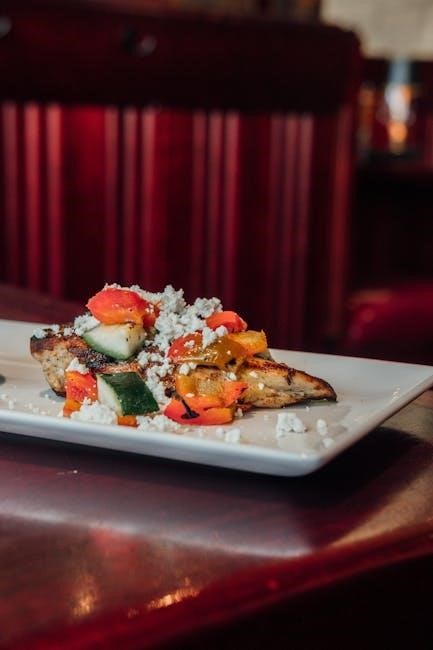
Analyzing Luna Grill’s Salad Options
Luna Grill’s PDF provides detailed nutritional breakdowns for each salad, including calorie counts and macronutrient compositions, aiding informed and healthy choices.
Mediterranean Salad with Dressing: Calorie Count
Delving into Luna Grill’s nutritional PDF reveals that a single serving of their Mediterranean Salad with Dressing contains approximately 670 Calories. This figure encompasses all ingredients, including the dressing, offering a comprehensive understanding of the salad’s energy density. The PDF meticulously details the calorie breakdown, allowing customers to accurately track their intake.
Understanding this calorie count is crucial for individuals monitoring their dietary needs or following specific weight management plans. The PDF serves as a valuable resource, enabling informed decisions about portion sizes and potential modifications to the salad. It’s important to note that variations in dressing amount could slightly alter the final calorie count, but the PDF provides a reliable baseline.
Furthermore, the PDF highlights that this calorie value positions the Mediterranean Salad as a substantial meal option, providing a significant portion of daily caloric requirements. For those seeking a lighter option, considering a side salad or adjusting the dressing quantity might be beneficial, as detailed within the document.
Mediterranean Salad with Dressing: Macronutrient Composition
According to Luna Grill’s detailed nutrition PDF, a single serving of the Mediterranean Salad with Dressing boasts a specific macronutrient profile. This breakdown reveals 39 grams of carbohydrates, 52 grams of fat, and 9 grams of protein. This composition provides a clear picture of the salad’s nutritional contribution beyond just calorie count.
The PDF emphasizes the salad’s higher fat content, largely attributed to the dressing and potentially olives or feta cheese included. Carbohydrates primarily come from vegetables and any added grains, while the protein content is relatively modest, sourced from ingredients like chickpeas or a small amount of meat if added.
This macronutrient information is invaluable for individuals following specific dietary approaches, such as low-carb, high-fat, or high-protein diets. The PDF empowers customers to align their food choices with their personal health goals, offering transparency and control over their nutritional intake. Careful review of the PDF is recommended for precise values.
Greek Salad: Nutritional Information
The Luna Grill nutrition PDF details the Greek Salad’s composition, offering valuable insights for health-conscious diners. While specific values may vary slightly based on preparation, the PDF generally outlines a calorie count and macronutrient breakdown. It’s a lighter option compared to some of their plated meals.
Typically, the Greek Salad features a base of tomatoes, cucumbers, onions, and Kalamata olives, often accompanied by feta cheese. The dressing, usually a simple vinaigrette, contributes to the overall fat content. The PDF clarifies the amounts of carbohydrates, fats, and proteins present in a standard serving.
For those monitoring their intake, the PDF provides a convenient reference point. It allows customers to understand the salad’s contribution to their daily nutritional needs. The PDF’s detailed information supports informed choices, aligning with individual dietary preferences and health objectives. Always consult the latest PDF for the most accurate data.
Village Salad: Nutritional Information
Luna Grill’s Village Salad, as detailed in their comprehensive nutrition PDF, presents a vibrant and healthy option for diners. The PDF meticulously breaks down the salad’s nutritional components, allowing for informed dietary choices. It’s a cornerstone of their Mediterranean-inspired menu, emphasizing fresh ingredients.
The salad typically includes a generous mix of tomatoes, cucumbers, green bell peppers, onions, and Kalamata olives, crowned with a substantial block of feta cheese. A light dressing, often olive oil-based, enhances the flavors without overwhelming the natural freshness. The PDF specifies the calorie count and macronutrient ratios.
For individuals tracking their nutrition, the PDF serves as an invaluable resource. It provides precise data on carbohydrates, fats, and proteins, aiding in meal planning and portion control. Accessing this information empowers customers to align their dining experience with their wellness goals. Refer to the latest PDF for the most current nutritional details.

Exploring Luna Grill’s Protein Choices
Luna Grill’s nutrition PDF details protein content across all options, enabling informed choices; chicken, beef, lamb, and salmon nutritional values are clearly outlined.
Chicken Options: Nutritional Comparison (Kabob vs. Plate)
Delving into Luna Grill’s nutrition PDF reveals a clear distinction between the nutritional profiles of the Chicken Kabob and the Chicken Plate. The Kabob, a leaner option, typically contains around 39 grams of protein and 586 calories per serving, alongside 63 grams of total carbohydrates and 20 grams of fat. This makes it a relatively balanced choice.
Conversely, the Chicken Plate, often served with rice and additional sides, presents a higher caloric intake, reaching approximately 740 calories. While still providing a substantial 49 grams of protein, the plate boasts 10 grams of carbohydrates and a significantly higher fat content of 56 grams. This difference stems from the inclusion of accompaniments like rice and potentially sauces.
The PDF allows for a direct comparison, highlighting that the Plate offers a larger portion size and increased overall energy, but at the cost of a higher fat content. Individuals prioritizing lean protein and lower carbohydrate intake may find the Kabob a more suitable selection, while those seeking a more substantial meal might opt for the Plate.
Beef & Lamb Options: Nutritional Comparison (Gyro vs. Plate)
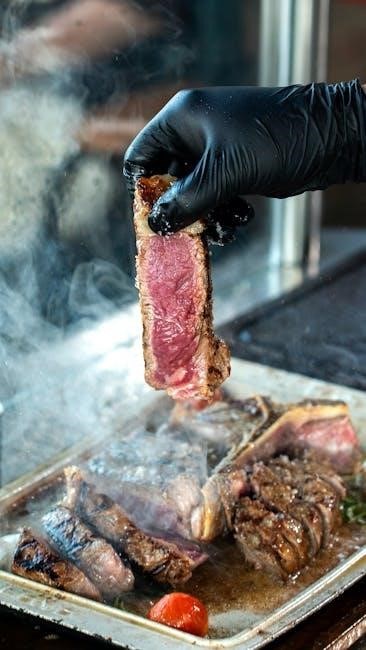
Examining Luna Grill’s comprehensive nutrition PDF showcases distinct nutritional differences between the Beef & Lamb Gyro and the corresponding Plate offering. The Gyro, a classic preparation, delivers a robust flavor profile alongside approximately 49 grams of protein and a total of 740 calories. It contains 10 grams of carbohydrates and a notable 56 grams of fat, reflecting the richness of the meat and accompanying sauces.
The Plate version, however, typically includes additional sides like rice and salad, potentially altering the macronutrient balance. While the exact values vary based on side selections, the Plate generally presents a higher overall caloric count and carbohydrate content compared to the Gyro alone. The fat content remains substantial, mirroring the inherent fat content of beef and lamb.
The PDF facilitates informed choices, demonstrating that the Gyro provides a concentrated serving of protein and fat, while the Plate offers a more complete meal with a potentially higher carbohydrate load. Consumers can leverage this information to align their selection with their dietary preferences and goals.
Salmon Options: Nutritional Information
Luna Grill’s nutrition PDF details the health benefits of their salmon offerings, positioning it as a lean protein source rich in Omega-3 fatty acids. While specific values depend on preparation style and portion size, salmon generally provides a substantial protein content, crucial for muscle maintenance and overall health. The PDF highlights a lower carbohydrate count compared to chicken or beef options, making it a favorable choice for carbohydrate-conscious diners.
Fat content, while present, is largely comprised of beneficial unsaturated fats, contributing to heart health. Calorie counts are moderate, aligning with the portion sizes offered. The PDF also indicates the presence of essential vitamins and minerals, further solidifying salmon’s nutritional value.
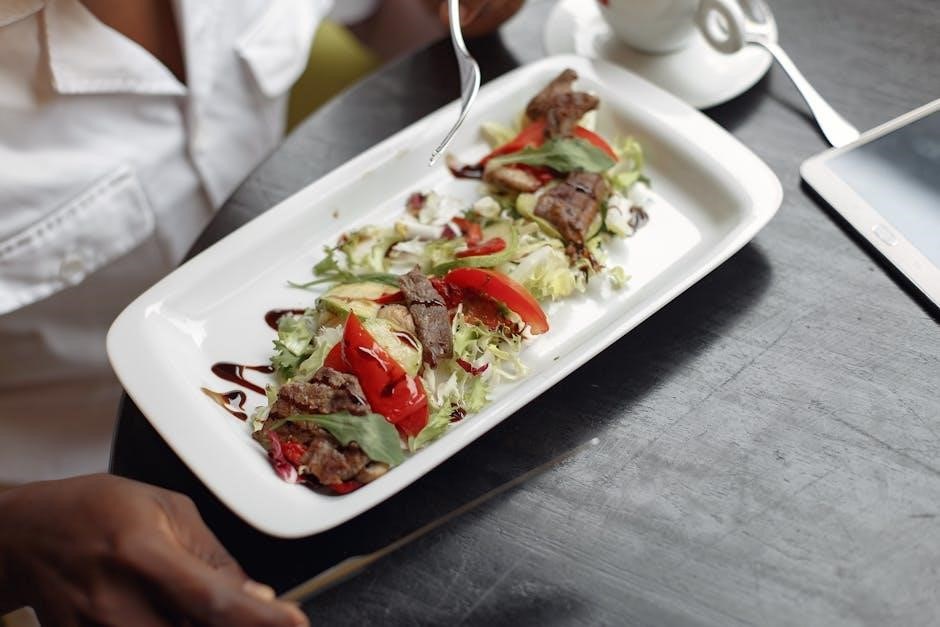
Consumers seeking a detailed breakdown of each salmon dish – whether grilled or incorporated into a plate – can readily access this information within the PDF, enabling informed decisions based on individual dietary needs and preferences. It’s a healthy and flavorful alternative.
Side Dish Nutrition at Luna Grill
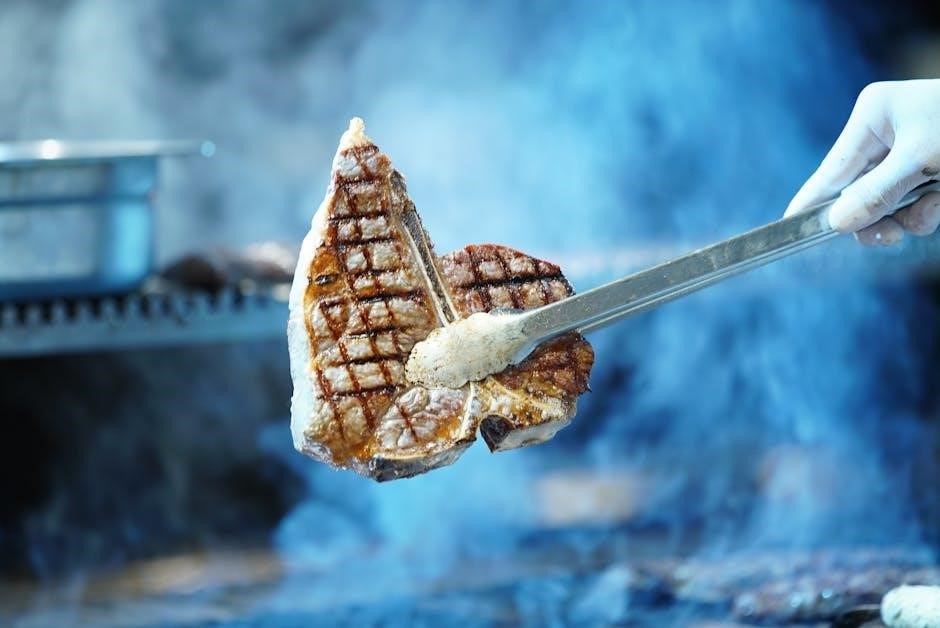
The Luna Grill nutrition PDF meticulously outlines the caloric and macronutrient content of each side, including rice, pita, and hummus, for informed choices.
Rice (White & Brown): Calorie and Carb Differences
Luna Grill’s nutrition PDF provides a clear comparison between their white and brown rice options, crucial for those monitoring carbohydrate intake. A serving of white rice generally contains fewer calories and slightly fewer carbohydrates than brown rice, though the difference isn’t substantial; However, brown rice boasts a significantly higher fiber content, contributing to a feeling of fullness and offering additional nutritional benefits.
Specifically, the PDF details the exact calorie count, total carbohydrates, and net carbohydrates for each rice type, allowing for precise dietary tracking. Understanding these distinctions is vital for individuals following specific diets, such as low-carb or diabetic meal plans. The document also highlights the presence of essential nutrients in brown rice, making it a healthier choice overall despite the minor caloric difference. Luna Grill’s commitment to transparency is evident in the detailed breakdown provided within the nutrition PDF, empowering customers to make informed decisions aligned with their health goals.
Pita Bread: Nutritional Values
The Luna Grill nutrition PDF meticulously outlines the nutritional composition of their pita bread, a staple accompaniment to many of their dishes. It details the calorie count per serving, alongside a breakdown of macronutrients – carbohydrates, fats, and proteins – offering a comprehensive understanding of its contribution to a meal. The PDF clarifies the carbohydrate content, crucial for individuals managing their intake, and specifies the amount of fiber present.

Furthermore, the document lists any added sugars or sodium, allowing health-conscious diners to make informed choices. While pita bread provides a convenient and flavorful way to enjoy Luna Grill’s offerings, the PDF empowers customers to factor its nutritional values into their overall dietary plan. Luna Grill’s dedication to providing accessible nutritional information, as showcased in the PDF, supports mindful eating and caters to diverse dietary needs. It’s a valuable resource for those seeking a detailed understanding of their meal’s composition.
Hummus: Nutritional Benefits and Values
Luna Grill’s comprehensive nutrition PDF highlights the impressive nutritional profile of their hummus, a popular and healthy dip served with various menu items. The document details the calorie count per serving, alongside a thorough breakdown of macronutrients – carbohydrates, fats, and proteins – providing a clear picture of its contribution to a balanced diet. It specifies the fiber content, a key benefit for digestive health, and outlines the presence of essential vitamins and minerals.
The PDF also indicates the sodium levels, allowing customers to monitor their intake. Hummus, traditionally made from chickpeas, tahini, and olive oil, offers plant-based protein and healthy fats. Luna Grill’s commitment to transparency, demonstrated through the detailed PDF, empowers diners to appreciate the nutritional advantages of choosing hummus as a side or accompaniment. It’s a valuable resource for those seeking wholesome and flavorful options.
Luna Grill Sauces & Dressings: Nutritional Impact
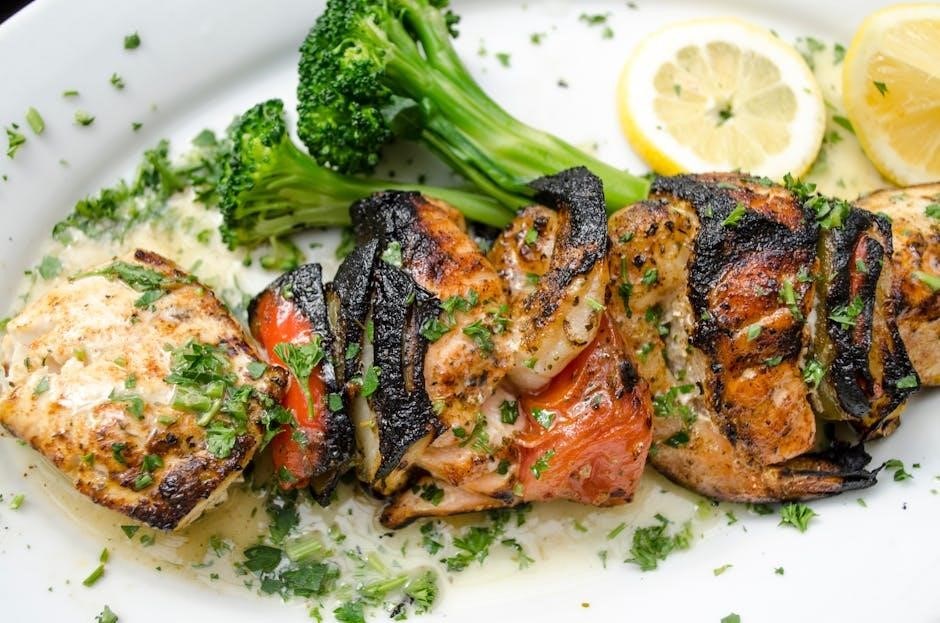
The Luna Grill nutrition PDF meticulously details the caloric and macronutrient content of each sauce and dressing, aiding informed choices for diners.
Tzatziki Sauce: Nutritional Breakdown
Luna Grill’s beloved Tzatziki sauce, a cornerstone of their Mediterranean offerings, receives a detailed nutritional profile within the official Luna Grill nutrition PDF. This document reveals a surprisingly light caloric load for a creamy sauce, typically around 60 calories per 2-tablespoon serving. The breakdown showcases approximately 5 grams of fat, primarily from the yogurt base, with a minimal amount of carbohydrates – roughly 2 grams – and a modest 1 gram of protein.
Crucially, the PDF highlights the sauce’s low sugar content, making it a preferable option compared to sweeter dressings. It’s primarily composed of strained yogurt, cucumber, garlic, dill, and olive oil, ingredients celebrated for their health benefits. The PDF also clarifies that sodium levels are moderate, aligning with typical Mediterranean cuisine. For those meticulously tracking their intake, the Luna Grill PDF provides a precise and reliable resource for incorporating Tzatziki into a balanced diet, allowing diners to enjoy its flavor without compromising their nutritional goals.
Lemon Herb Vinaigrette: Nutritional Breakdown
The Luna Grill nutrition PDF meticulously details the composition of their vibrant Lemon Herb Vinaigrette. Per 2-tablespoon serving, this zesty dressing contains approximately 90 calories, making it a relatively light choice for flavoring salads and plates. The nutritional breakdown reveals around 9 grams of total fat, largely stemming from the olive oil base, celebrated for its heart-healthy monounsaturated fats. Carbohydrate content is minimal, around 2 grams, with less than 1 gram of protein.
Notably, the PDF emphasizes the absence of added sugars, relying on lemon juice for its subtle sweetness. Sodium levels are moderate, contributing to the overall flavor profile. The document also lists the specific herbs used, highlighting the fresh, natural ingredients. For health-conscious diners, the Luna Grill PDF offers transparency, enabling informed decisions about portion sizes and dietary alignment. It’s a refreshing option, allowing enjoyment without significant caloric or macronutrient impact.
Spicy Feta Dressing: Nutritional Breakdown
Luna Grill’s nutrition PDF provides a detailed analysis of their Spicy Feta Dressing, a flavorful addition to their salads and plates. A standard 2-tablespoon serving typically contains around 130 calories, reflecting the inclusion of feta cheese and olive oil. The macronutrient profile reveals approximately 11 grams of total fat, with a significant portion from the feta’s saturated fats. Carbohydrate content is relatively low, around 3 grams, and it contributes about 3 grams of protein, primarily from the feta.
The PDF highlights the sodium content, which is notably higher due to the feta cheese, a consideration for those monitoring their salt intake. The spice element comes from chili peppers, adding a kick without substantial caloric impact. Luna Grill’s commitment to transparency is evident in the detailed ingredient list provided within the PDF. This allows diners to make informed choices based on their dietary needs and preferences, enjoying a bold flavor profile responsibly.
Finding Luna Grill Nutrition Information (PDF & Online)
Luna Grill offers readily accessible nutrition details; their official PDF document and various online calculators empower informed dining choices for health-conscious customers.
Locating the Official Luna Grill Nutrition PDF
For those seeking a comprehensive overview of Luna Grill’s nutritional offerings, the official nutrition PDF is an invaluable resource. While a direct link isn’t consistently advertised on the main Luna Grill website as of today, March 26, 2026, it’s typically discoverable through a targeted online search.
Utilizing search terms like “Luna Grill nutrition PDF” or “Luna Grill allergen information” will generally lead you to the most current version hosted on third-party sites or directly linked from Luna Grill’s press or investor relations pages. The PDF contains detailed breakdowns for each menu item, including calorie counts, macronutrient profiles (carbohydrates, fats, and proteins), and ingredient lists.
This document is particularly useful for individuals with dietary restrictions, allergies, or those simply aiming to make informed choices about their meals. Regularly checking for updates is recommended, as menus and nutritional information can change. The PDF provides a convenient, offline reference for planning your Luna Grill experience.
Utilizing Online Nutrition Calculators for Luna Grill Meals
While the official Luna Grill nutrition PDF provides detailed information, online nutrition calculators offer a flexible alternative for customizing meal combinations and estimating nutritional values. Several popular platforms, like Carb Manager and Eat This Much, allow users to input individual ingredients or approximate menu selections to generate a nutritional breakdown.
These calculators can be particularly helpful when modifying orders – for example, requesting extra salad or substituting brown rice for white. Remember that these estimations rely on user input and may not perfectly match Luna Grill’s official data. Cross-referencing with the PDF, when available, is always recommended for accuracy.
Furthermore, some calculators allow tracking of daily macronutrient intake, aiding in personalized dietary planning. Utilizing these tools alongside the Luna Grill PDF empowers customers to make informed decisions aligned with their health and wellness goals, ensuring a satisfying and nutritionally balanced meal.