
Magic Chef dehydrators offer a convenient way to preserve foods, mirroring the popular online platform, MTGO, for digital card enthusiasts․
Explore resources like Magic-ville for deck combos, reflecting the comprehensive support available for Magic Chef appliance users seeking guidance;
What is a Food Dehydrator?
A food dehydrator, like the Magic Chef model, is an appliance designed to remove moisture from food to preserve it․ This process inhibits the growth of microorganisms, extending shelf life naturally, much like preserving strategies within the Magic: The Gathering community – carefully building a deck for longevity․
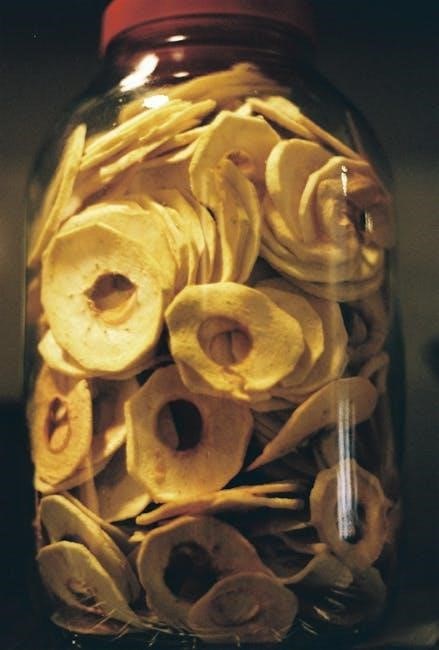
Unlike canning or freezing, dehydration doesn’t significantly impact nutritional value․ Resources, similar to Magic-ville’s deck lists, offer guidance on optimal settings․ Dehydration creates lightweight, portable snacks, mirroring the digital portability of Magic Online (MTGO)․ It’s a versatile method for fruits, vegetables, meats (jerky), and even creating unique treats like fruit leather․
Benefits of Using a Magic Chef Dehydrator
A Magic Chef dehydrator provides numerous advantages, akin to the strategic benefits gained from a well-constructed Magic: The Gathering deck․ It allows for healthy snack creation, free from preservatives, mirroring the careful rule adherence in Magic Online (MTGO)․
Dehydration concentrates flavors, resulting in intensely tasty treats․ It’s cost-effective, reducing food waste, similar to optimizing card usage․ Like finding powerful combos on sites like Magic-ville, a dehydrator unlocks culinary possibilities․ Enjoy portable, lightweight snacks perfect for hiking or travel, and preserve seasonal produce for year-round enjoyment․
Understanding Your Magic Chef Dehydrator Model
Familiarizing yourself with your specific Magic Chef model, much like understanding Magic: The Gathering rules on MTGO, is crucial for optimal performance and enjoyment․
Identifying Your Specific Model Number
Locating your Magic Chef dehydrator’s model number is the first step towards accessing tailored support and resources, similar to identifying card sets within Magic: The Gathering Online (MTGO)․ This number is typically found on a sticker located on the back or bottom of the unit․
It’s essential for downloading the correct owner’s manual, finding compatible accessories, and receiving accurate assistance from customer service․ Websites like Magic-ville, dedicated to Magic: The Gathering, demonstrate the value of specific identification for optimal experience․ Record this number for future reference, ensuring smooth operation and troubleshooting․
Key Components and Their Functions
Your Magic Chef dehydrator comprises several key parts working in harmony, much like the diverse cards within a Magic: The Gathering deck․ These include the heating element and fan, responsible for consistent airflow and temperature, and the food trays, designed for even dehydration․
The control panel allows precise temperature and time adjustments, mirroring the strategic choices in MTGO․ A drip tray catches any residue, simplifying cleanup․ Understanding each component’s role, similar to knowing card combos on sites like Magic-ville, ensures efficient and safe operation․
Preparing Food for Dehydration
Proper food preparation is crucial, akin to building a strong Magic: The Gathering deck – careful selection and arrangement are key for optimal results․
Fruit Preparation Techniques
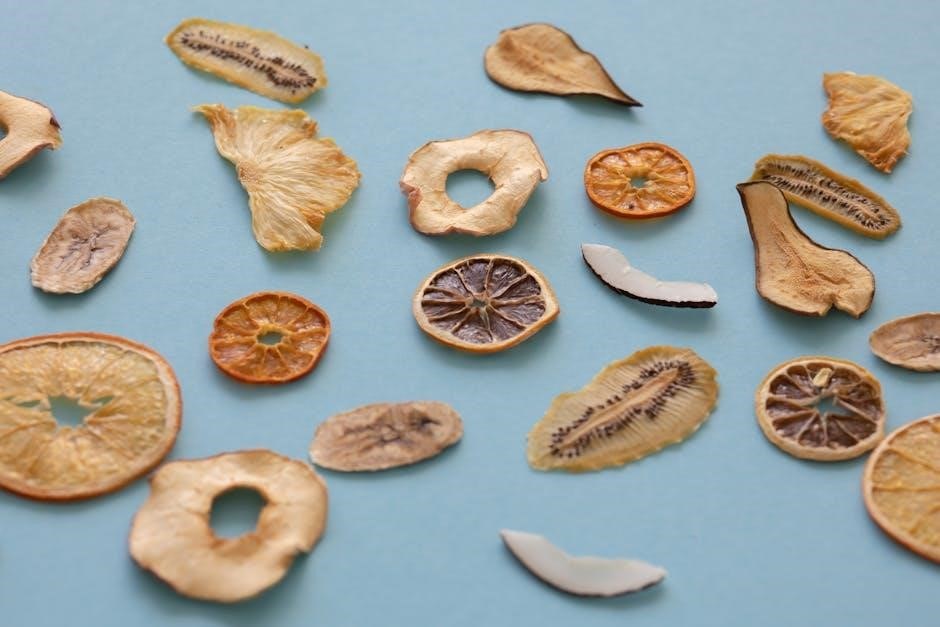
Preparing fruit for dehydration with your Magic Chef dehydrator requires a few simple steps․ Begin by thoroughly washing all fruits․ Remove any bruised or damaged areas, as these won’t dehydrate well․ Peeling is optional, depending on the fruit and your preference – apples and pears can be dehydrated with the peel on, while fruits like mangoes benefit from peeling․
Core and slice fruits into uniform pieces, ideally ¼ to ½ inch thick, ensuring even drying․ For smaller fruits like berries, consider halving or quartering them․ Pre-treating some fruits (like apples or bananas) with lemon juice can prevent browning, similar to protecting valuable cards in Magic: The Gathering․
Vegetable Preparation Techniques
Dehydrating vegetables with your Magic Chef requires careful preparation for optimal results․ Begin by washing all vegetables thoroughly to remove any dirt or residue․ Peeling is often recommended, though some skins (like carrot skin) can be left on․ Cut vegetables into uniform sizes – slices, dices, or strips – aiming for ¼ to ½ inch thickness for consistent drying․
Blanching is crucial for many vegetables (beans, broccoli, carrots) to stop enzyme activity and preserve color and nutrients, much like preserving valuable Magic: The Gathering cards․ After blanching, shock in cold water before arranging on dehydrator trays․
Meat and Jerky Preparation
Preparing meat and jerky for dehydration demands strict food safety practices․ Begin with lean cuts of meat, trimming away all visible fat to prevent rancidity․ Partially freezing the meat for 30-60 minutes before slicing makes it easier to achieve uniform strips, approximately ¼ inch thick – essential for even drying․
Marinate the meat to enhance flavor and act as a preservative, similar to carefully building a Magic: The Gathering deck for strategic advantage․ Ensure thorough cooking before dehydration, following USDA guidelines to eliminate harmful bacteria․

Operating the Magic Chef Dehydrator
Efficient operation involves selecting appropriate temperature and time settings, mirroring strategic gameplay in Magic: The Gathering Online (MTGO) for optimal results․
Temperature Settings and Guides
Understanding temperature control is crucial for successful dehydration․ Lower temperatures (95-135°F) are ideal for preserving enzymes in fruits and vegetables, maintaining nutritional value, much like careful deck building in Magic: The Gathering Online (MTGO)․
Higher temperatures (135-160°F) are recommended for meats, ensuring food safety, similar to understanding complex card interactions․ Refer to your model’s guide; different foods require varying temperatures and times․ Consistent monitoring, like tracking game statistics, guarantees optimal results․ Always prioritize safety and follow recommended guidelines for each food type․

Time Settings and Food Types
Dehydration times vary significantly based on food type and thickness, mirroring the diverse strategies found in Magic: The Gathering, like those discussed on platforms such as Magic-ville․ Fruits generally take 6-12 hours, vegetables 8-16, and meats can require 12-24+ hours․
Thinner slices dehydrate faster․ Regularly check for desired texture – foods should be leathery or brittle․ Like mastering MTGO combos, experimentation is key! Your owner’s manual provides specific time recommendations; use them as a starting point and adjust based on your preferences and ambient humidity․
Loading and Arranging Food Trays
Proper tray loading is crucial for even dehydration, much like building a balanced deck in Magic: The Gathering, as discussed on sites like Magic-ville․ Avoid overcrowding; leave space between pieces for air circulation․
Rotate trays periodically during the process for consistent results․ Don’t let food pieces overlap․ Consider the food type – smaller items can be placed closer together than larger ones․ Refer to your manual for specific tray capacity guidelines․ Consistent arrangement ensures optimal performance, similar to executing effective MTGO strategies․

Maintenance and Cleaning
Regular cleaning, like maintaining a Magic: The Gathering Online (MTGO) account, ensures longevity․ Remove debris after each use for optimal performance and hygiene․
Cleaning Procedures After Each Use
To maintain your Magic Chef dehydrator’s efficiency, a quick cleaning post-operation is crucial․ Begin by unplugging the unit and allowing all components to cool completely․ Remove the trays and wash them with warm, soapy water – similar to carefully managing your Magic: The Gathering Online (MTGO) collection․
Avoid abrasive cleaners, as they can damage the trays․ Wipe down the interior of the dehydrator with a damp cloth․ Ensure no food particles remain, preventing potential odors or bacterial growth․ Dry all parts thoroughly before reassembling, mirroring the meticulous organization of Magic-ville deck lists․
Deep Cleaning and Sanitization
For a thorough clean, disassemble your Magic Chef dehydrator completely․ Wash all removable parts – trays, fan cover, and base – in warm, soapy water․ A diluted vinegar solution can help sanitize, much like maintaining a pristine MTGO account․ Inspect for any lingering food residue, paying attention to hard-to-reach areas․
The base should be wiped down with a damp cloth, avoiding direct water contact with electrical components․ Allow all parts to air dry completely before reassembly․ This deep cleaning, performed periodically, ensures optimal performance and hygiene, akin to updating your Magic-ville deck strategies․
Troubleshooting Common Issues
If your Magic Chef dehydrator isn’t heating, first check the power connection – similar to ensuring a stable connection on MTGO․ Uneven drying can often be resolved by rotating trays mid-cycle, mirroring strategic deck adjustments in Magic: The Gathering․ A noisy fan may indicate obstruction; carefully inspect and remove any debris․
For lingering odors, a vinegar and water solution can help, much like refining combos on Magic-ville․ If issues persist, consult the full owner’s manual or contact customer support․ Don’t attempt repairs yourself, as this could void the warranty․
Recipes and Dehydration Ideas
Unlock culinary creativity! Explore fruit leather, vegetable chips, and jerky recipes – much like building powerful Magic: The Gathering decks with online resources․
Fruit Leather Recipes
Creating homemade fruit leather with your Magic Chef dehydrator is surprisingly simple and rewarding! Puree your favorite fruits – apples, berries, mangoes, or peaches work wonderfully․ A touch of lemon juice enhances flavor and acts as a natural preservative, similar to strategic card combinations in MTGO․
Spread the puree thinly (about 1/8 to 1/4 inch) onto dehydrator trays lined with parchment paper or non-stick sheets․ Dehydrate at 135°F (57°C) for 4-8 hours, or until leathery and no longer sticky․ Like assembling a winning Magic deck on Magic-ville, experimentation is key! Adjust dehydration time based on fruit moisture content and desired texture․
Vegetable Chip Recipes
Dehydrated vegetable chips offer a healthy and satisfying snack, much like mastering complex combos in Magic: The Gathering Online (MTGO)․ Thinly slice vegetables like zucchini, sweet potatoes, beets, or kale․ A light coating of olive oil and your favorite seasonings – garlic powder, paprika, or herbs – enhances the flavor, mirroring the diverse card options available on platforms like Magic-ville․
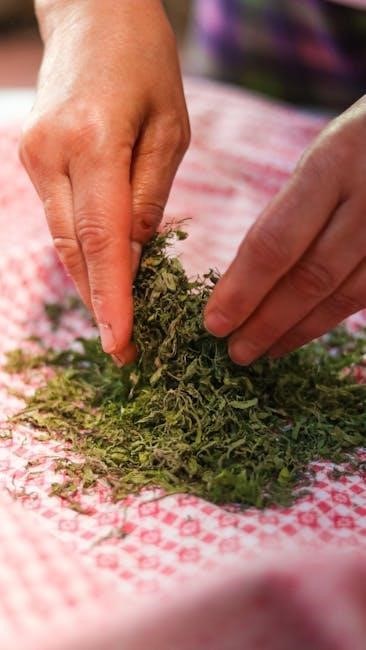
Arrange slices in a single layer on dehydrator trays․ Dehydrate at 125°F (52°C) for 6-12 hours, or until crispy․ Check frequently, as dehydration times vary․ Enjoy these crunchy, nutrient-rich chips as a guilt-free alternative to store-bought snacks!
Jerky and Meat Recipes
Creating jerky with your Magic Chef dehydrator is akin to building a powerful deck in MTGO – requiring precision and patience․ Begin with lean cuts of meat, like beef, turkey, or venison․ Marinate for at least 4 hours (or overnight!) in your preferred sauce, similar to strategizing card combinations found on sites like Magic-ville․
Slice meat thinly, following the grain․ Arrange in a single layer on dehydrator trays․ Dehydrate at 160°F (71°C) for 4-8 hours, until leathery and pliable․ Ensure internal temperature reaches 160°F for safety․ Enjoy your homemade, flavorful jerky!

Safety Precautions
Always unplug your Magic Chef dehydrator before cleaning, mirroring responsible online play on MTGO; Prioritize electrical safety and food handling, like deck building!
Electrical Safety Guidelines
Ensure your outlet voltage matches the dehydrator’s specifications to prevent damage, much like verifying card legality in MTGO․ Never operate the appliance with a damaged cord or plug; replacement is crucial․ Avoid using extension cords if possible, and if necessary, choose one rated for the dehydrator’s wattage․
Do not immerse the base, cord, or plug in water or other liquids – a critical safety measure․ Always unplug the dehydrator before cleaning or when not in use, similar to logging off a digital game․ Inspect the cord regularly for any signs of wear and tear, and discontinue use if damage is detected;
Food Safety Considerations
Proper food handling is paramount when dehydrating, akin to carefully building a deck in Magic: The Gathering Online (MTGO)․ Always wash hands thoroughly before preparing food․ Use fresh, high-quality ingredients, and discard any spoiled items․ Pre-treat fruits and vegetables to prevent discoloration and enzyme activity, mirroring strategic card play․
Ensure foods reach appropriate internal temperatures during dehydration to eliminate harmful bacteria․ Store dehydrated foods in airtight containers in a cool, dark, and dry place, similar to protecting valuable cards․ Regularly check for signs of spoilage before consumption, just as you’d review deck performance․

Warranty Information
Register your Magic Chef dehydrator promptly, much like registering for MTGO, to activate warranty coverage․ Review terms for details on repairs and replacements․
Registering Your Product
Registering your new Magic Chef dehydrator is a crucial step, similar to account creation on platforms like Magic Online (MTGO), to ensure seamless warranty service․ This process validates your purchase date and confirms eligibility for coverage․ Locate the registration card included within the product packaging, or visit the official Magic Chef website․
You’ll typically need your model number, serial number, and proof of purchase․ Completing registration allows Magic Chef to efficiently address any potential issues and provides access to important product updates and support resources, mirroring the community support found on sites like Magic-ville․
Understanding Warranty Coverage
Your Magic Chef dehydrator is protected by a limited warranty, much like the rules governing gameplay on MTGO, ensuring fair and defined terms․ This warranty typically covers defects in materials and workmanship for a specified period, usually one year from the date of purchase․
The warranty doesn’t cover damage resulting from misuse, accidents, or unauthorized repairs․ Keep your proof of purchase safe! Refer to the warranty card or the Magic Chef website for complete details, similar to consulting Magic-ville for deck strategies, to understand what is and isn’t covered․